

The Challenge
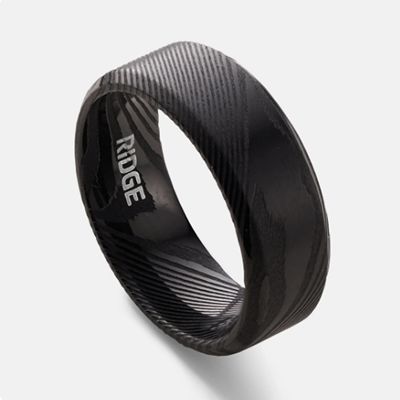
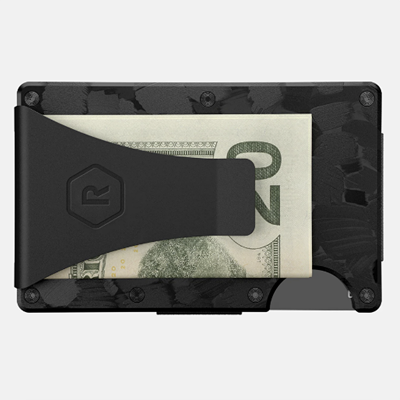
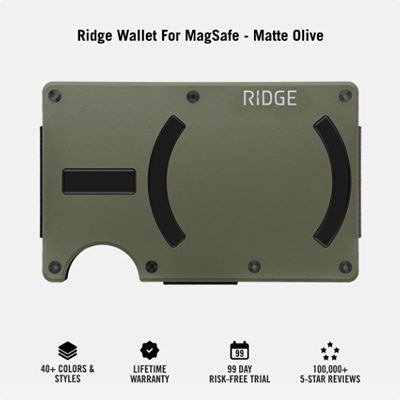
Ridge doesn’t do generic. If you’ve followed Sean Frank for more than five minutes, you know the brand runs on velocity, visual identity, and an almost obsessive attention to what’s actually working in paid media.So when catalog ads started underperforming their static and video creative, the team didn’t just accept it. The problem was structural: DPA pulls product images directly from the feed, and those images — flat product shots against plain backgrounds — stripped away everything that made a Ridge wallet or bag visually distinctive. Every SKU looked the same. Every color looked like an afterthought. The ads that were supposed to close the loop on a $200M+ revenue machine were blending into the furniture.
The Solution
Ridge adopted Marpipe within days of going live on the platform — a short ramp that says something about how the team operates.The unlock was Dynamic Color. Instead of applying a static frame across their entire catalog, Marpipe’s system reads each SKU’s dominant color or pattern and renders the ad border to match it automatically. A slate-gray wallet gets a slate-gray frame. A black carbon fiber case gets a black frame. At scale, across hundreds of SKUs, this means Ridge’s catalog ads look like someone actually made a creative decision for each product — because effectively, they did.The result was a catalog campaign that looked like Ridge, not like DPA.
The Results
53% higher ROAS than their original, raw catalog ads.For a brand already running at the efficiency levels Ridge operates at, a 53% ROAS improvement on catalog spend isn’t a nice-to-have. It’s the kind of number that changes how you allocate budget for the next quarter.
“When operating with cost controls in Meta, the key is finding pockets of profitable spend.”
Ridge found one hiding in their own product feed.